
- HOME
- Education
- Student's Voice
- 【IRCMS Internship】Mobashara Islam (University of Dhaka)
Student's Voice
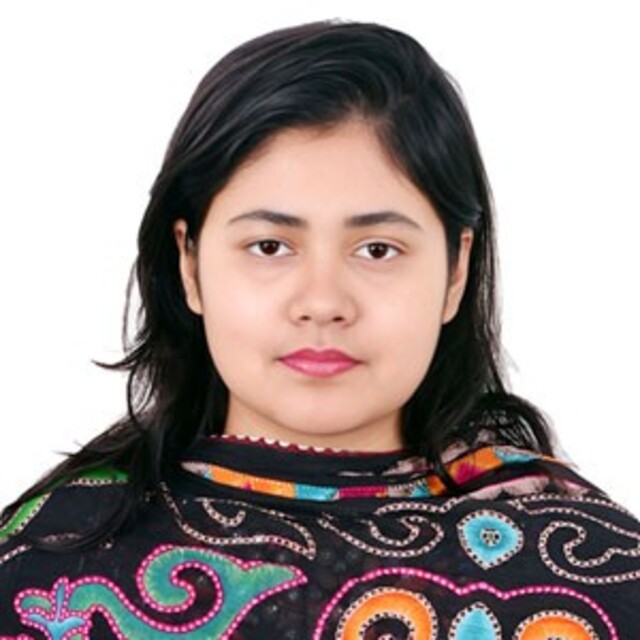
Name: Mobashara Islam (University of Dhaka)
Visiting Period: 2026/8/17-2026/9/4
Nationality: Bangladesh
Lab: Takahashi Lab
1. Summary of the internship (Description of the research conducted, aim, introduction of lab, and things you learned)
I stayed at the Takahashi Lab from 17th August to 4th September 2026 under the supervision of Dr. Yuta Takahashi Sensei. I was involved in a project focusing on identifying molecular factors responsible for epigenetic memory. The aim of this internship was to understand the importance of identifying such factors for potential therapeutic applications and to gain hands-on experience with the techniques required for this research.
During the internship, I gained hands-on experience in culturing and passaging HEK293T cells for lentiviral packaging, mESCs, and mouse embryonic fibroblasts (mEFs) as feeder cells for mESC culture. I also learned plasmid transfection using Gag-Pol, REV, VSVG, and reporter plasmids such as EGFP, and analyzed transfection efficiency through fluorescence microscopy. Other techniques included genomic DNA extraction from mESCs and mouse tail tissue, bisulfite conversion and pyrosequencing to analyze DNA methylation, RNA extraction, RT-PCR and qPCR for gene expression analysis, colony picking, genotyping PCR and gel electrophoresis to confirm integration of a CpG-free DNA cassette, Western blotting, preparation of frozen HEK293T stocks, and preparation of competent E. coli cells (OMNIMAX). I also learned the principle of the CLOuD9™ gene expression regulation system to understand whether chromatin looping can influence epigenetic memory.
Induction of de novo methylation at the Ldlr promoter:
I cultured and passaged mESCs and mEF feeder cells and learned the principle of integrating a CpG-free DNA cassette containing a neomycin-resistance gene into mESCs to identify positively transfected cells. I picked individual positive colonies and performed genotyping PCR followed by gel electrophoresis to confirm the presence of the integrated cassette. The samples were further analyzed through bisulfite sequencing to identify specific DNA methylation sites.
Lentiviral packaging and transfection:
I performed plasmid transfection using Gag-Pol, REV, VSVG, and an EGFP reporter plasmid for lentiviral packaging. EGFP fluorescence was observed under a fluorescence microscope to evaluate transfection efficiency.
Bisulfite sequencing for DNA methylation analysis:
To analyze specific methylation sites in the Ldlr promoter region, I performed genomic DNA extraction from mESCs, followed by bisulfite conversion, PCR, gel electrophoresis, and pyrosequencing.
Transformation of plasmids into competent E. coli:
For large-scale production of reporter plasmids such as EGFP and mCherry, I learned the preparation of competent E. coli OMNIMAX cells and performed plasmid transformation.
Gene expression analysis by qPCR:
RNA was extracted from mESCs containing the modified Ldlr promoter. RT-PCR was performed to convert RNA into cDNA, followed by qPCR. The Ct values were analyzed to estimate changes in Ldlr gene expression.
2. What did this experience do for you with respect to your specific career development directions?
This experience helped me develop my career direction by allowing me to explore an area of research that was new to me- epigenetics. My previous research experience was mainly related to genetics, molecular biology, and immunology, so working on epigenetic memory gave me an opportunity to understand another important aspect of disease and cellular biology.
The internship also gave me practical experience with several techniques that I had not worked with before, including mESC and HEK293T cell culture, DNA methylation analysis, qPCR, lentiviral packaging, genotyping, and Western blotting. More importantly, I learned how these techniques are connected to answer a specific biological question rather than using them as separate laboratory procedures.
Overall, this experience broadened my research interests and increased my interest in molecular mechanisms of disease, particularly epigenetic regulation. It also gave me more confidence in working in a research environment and helped me identify epigenetics and molecular biology as areas I would like to explore further in my future research career.
3. What did you enjoy about life at Kumamoto University (Kumamoto city or Japan)?
My time in Japan was a truly memorable experience, and I hope to have the opportunity to return someday. I really appreciated how clean, organized, and peaceful Kumamoto is, and I was especially impressed by how humble, polite, and helpful the people were.
Kumamoto University's IRCMS provides a wonderful environment and valuable opportunities for international students. I am especially grateful to my supervisor, Dr. Takahashi Sensei, and all my team members for their continuous guidance and support. I also really appreciated how interactive and engaging the seminars and lab meetings were. The quality of research being conducted here is remarkable, and I learned not only valuable research techniques but also how a large research project can be planned, developed, and conducted through the guidance of my sensei.
Although my stay was relatively short and I spent most of my time in the laboratory, I also tried to explore Kumamoto whenever I had the opportunity. I often walked around the city, sometimes simply following Google Maps and discovering new streets and places. Sakuramachi Shopping Mall, which was close to my accommodation, also became a familiar place for me. On some days, when I felt tired on my way back from the lab, I would sit on the grass near the shopping mall and have my dinner there. These simple moments became some of the memories I will cherish from my stay.
Overall, my experience in Kumamoto and Japan was not only valuable academically but also personally meaningful. The clean, beautiful, and peaceful environment, along with the people I met and the experiences I had, made this internship a very special chapter in my life.
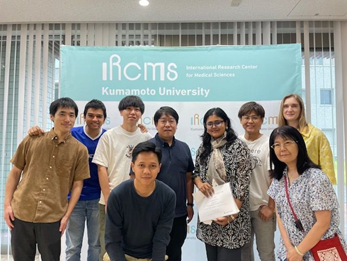
Photo1: A group photo with lab members at the completion of the internship program.
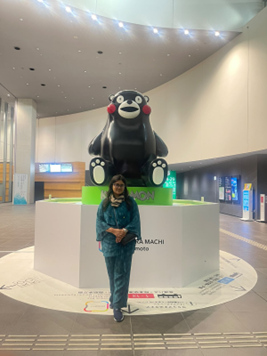
Photo 2: Sakuramachi Kumamoto Shopping Center
4. Message to prospective students.
I wholeheartedly recommend the IRCMS Internship Program at Kumamoto University to students who are interested in research. It is a valuable opportunity to gain hands-on experience in ongoing, high-quality research and to learn directly from experienced supervisors and researchers.
One of the most valuable aspects of the program is the opportunity to understand how a research project is designed and developed from the beginning, while also experiencing how a research community works and interacts in a professional environment. Being able to experience this in person provides insights that cannot be gained through academic study alone.
In addition to the academic and research opportunities, IRCMS provides accommodation and other necessary facilities while considering the comfort and needs of the students, which makes the overall experience even more convenient.
I would strongly encourage students from relevant fields to apply for this program and make use of this invaluable opportunity. I have already encouraged several of my friends and juniors from my university to consider applying, as I truly believe they can gain valuable academic, research, and personal experience through the program.
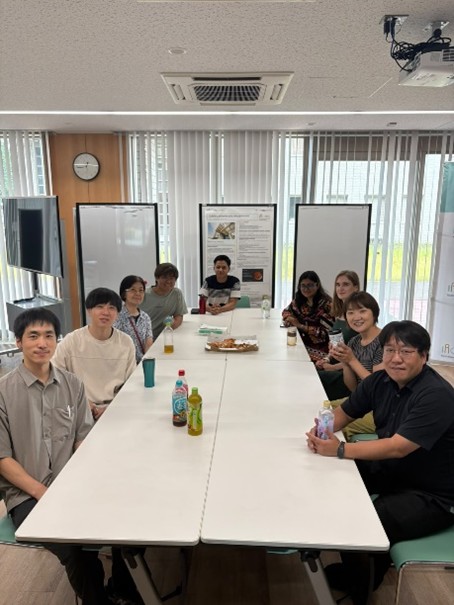
Photo 3: Welcome Lunch with lab members

