
- HOME
- Education
- Student's Voice
- 【IRCMS Internship】Ms. Nandien (Inner Mongolia Minzu University)
Student's Voice
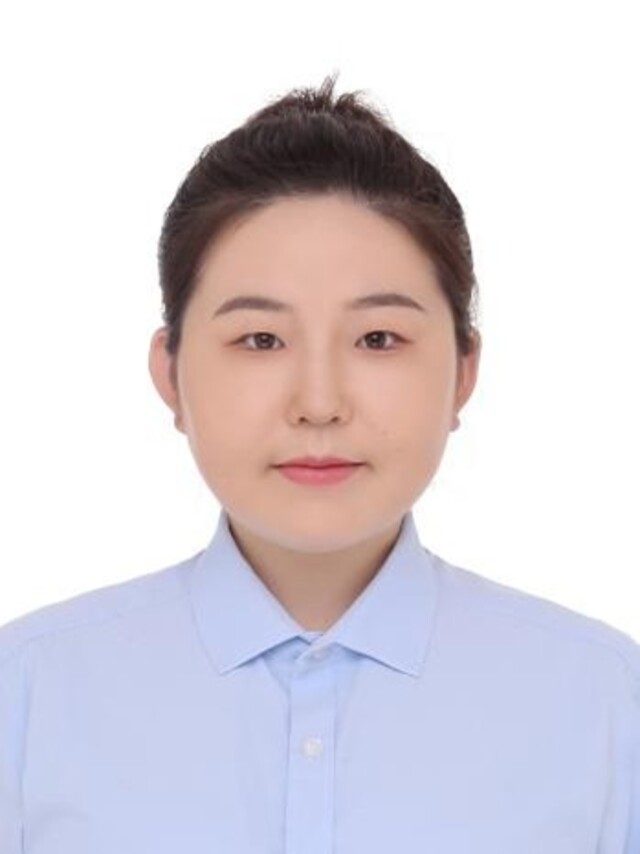
Name: Nandien
Inner Mongolia Minzu University
Visiting Period: September 1st (Mon), 2025 - November 27th (Thu), 2025
Country: China
Lab: Sashida Lab
Q1. Summary of the internship (Description of the research conducted, aim, introduction of lab, and things you learned)
From September 2025, I conducted a three-month research internship at the International Research Center for Medical Sciences (IRCMS), Kumamoto University, under the supervision of Professor Goro Sashida.
The aim of this internship was to investigate hematopoietic abnormalities and the mechanisms underlying the progression of clonal hematopoiesis in Down syndrome.
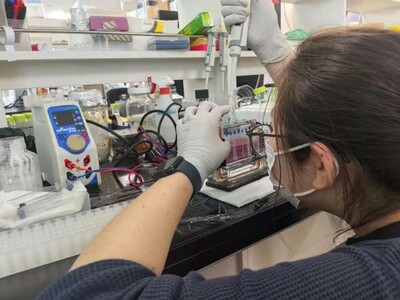
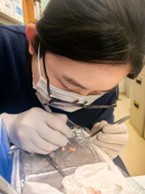
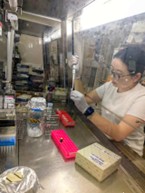
Throughout the internship, I was actively involved in animal experiments and data collection, including peripheral blood (PB) and complete blood count (CBC) analyses, bone marrow harvesting, and subsequent hematopoietic evaluations. In addition, I diligently performed RNA sequencing data analysis, gaining hands-on experience with the complete analytical workflow from raw data processing and quality control to differential gene expression analysis. I also participated in a variety of molecular biology experiments, including plasmid construction, bacterial transformation, clone screening, and validation.
Through this internship, I significantly deepened my understanding of hematopoietic stem cell biology, clonal hematopoiesis, and disease-related molecular mechanisms, while also strengthening my practical skills in animal experimentation, molecular techniques, and high-throughput data analysis. Moreover, working in a rigorous and collaborative research environment enhanced my ability to think independently, communicate effectively with supervisors and lab members, and conduct research in a systematic and critical manner.
Q2. What did this experience do for you with respect to your specific career development directions?
This internship was a valuable learning experience that helped clarify my future career direction.
Through guided participation in hematopoietic research, including data analysis and molecular biology experiments, I gained a deeper understanding of basic biomedical research and the importance of rigorous experimental design. These experiences allowed me to gradually connect my previous background in integrated traditional and modern medicine with fundamental research in molecular and cellular biology.
By working under close supervision in a basic science research environment, I realized that advanced research training is essential for my long-term goal of pursuing a PhD in biomedical science. The internship strengthened my motivation to continue graduate-level research and better prepared me for future doctoral studies.
During my time at Kumamoto University, I greatly enjoyed my daily life in Kumamoto City and in Japan. Kumamoto is a quiet and well-organized city with a calm pace of life, which is very suitable for focusing on study and research. The environment at the IRCMS was comfortable and academically stimulating, allowing me to concentrate on experimental work and data organization. In my free time, I also visited the main campus of Kumamoto University, where the beautiful campus left a strong impression on me.
In terms of daily life, I gradually adapted to the structured and detail-oriented lifestyle in Japan, such as punctuality, cleanliness, and respect for public spaces, all of which left a deep impression on me. During my spare time, I visited Kumamoto Castle and took walks around the campus area. I also went hiking at Mount Aso together with laboratory members, which was a memorable experience. In addition, I tried local Japanese cuisine, and these experiences helped me gain a deeper understanding of Japanese culture and everyday life.
Overall, my life at Kumamoto University was comfortable and fulfilling. This experience not only enriched my overseas academic experience but also strengthened my motivation to return to Japan in the future for further study and research.
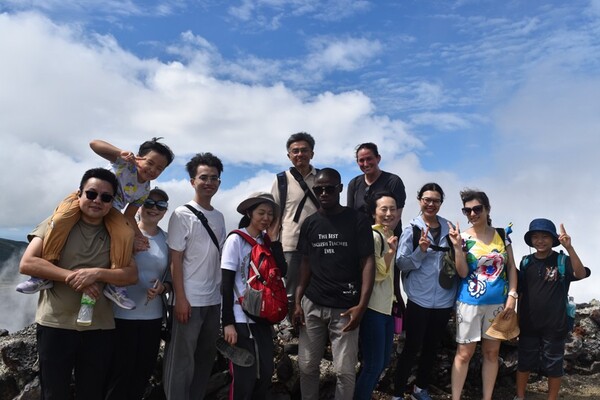
Photo3: Hiking Mount Aso with laboratory members
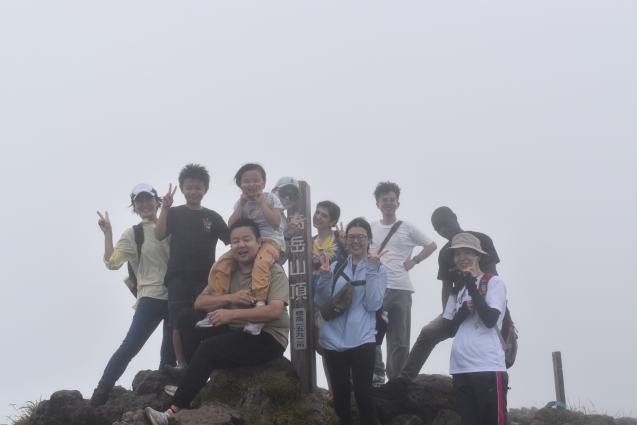
Photo4: Hiking Mount Aso with laboratory members
Message to prospective students
I would highly recommend the IRCMS Internship Program to prospective students who are interested in basic biomedical research. This program provides a valuable opportunity to experience a well-organized research environment, to learn experimental techniques, and to understand how scientific research is conducted in an international setting.
Through this internship, I was able to deepen my understanding of experimental design, data analysis, and the importance of careful planning and communication in research. Working closely with supervisors and laboratory members helped me learn not only technical skills but also how to approach scientific questions thoughtfully and responsibly.
My advice to prospective students is to prepare in advance, remain open to learning, and actively communicate with mentors and colleagues. Even if you encounter difficulties, maintaining a positive and proactive attitude will make the experience more rewarding. I believe this internship can be a meaningful step for students who wish to pursue further research training or an academic career in the future.
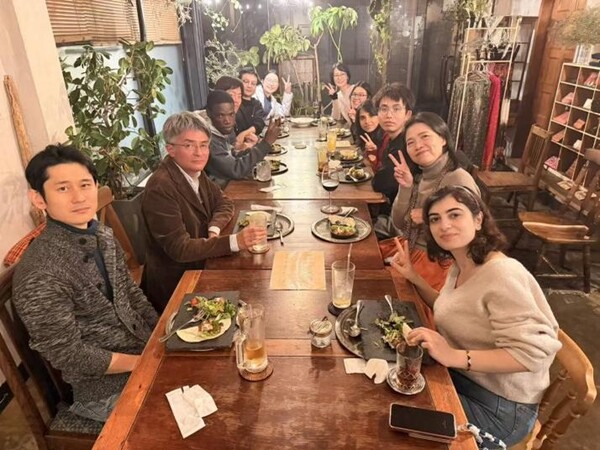
Photo4: Dinner with laboratory members

